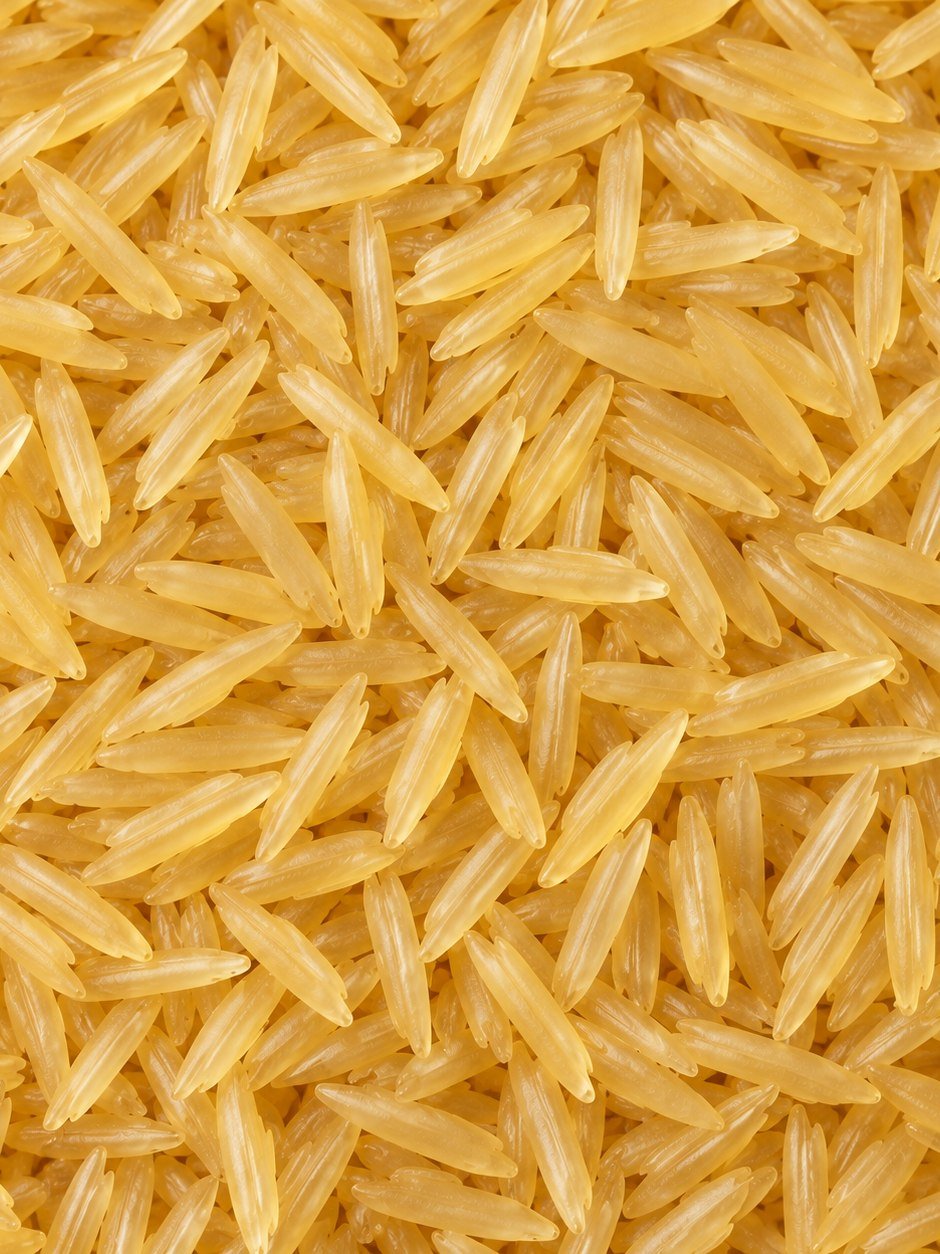
Rajesh Industries brings decades of experience and expertise in processing and milling premium-quality Basmati rice. Our deep understanding of Basmati paddy, combined with modern milling technology and stringent quality controls, enables us to consistently deliver superior rice.
From careful selection of the finest paddy to cleaning, milling, grading, polishing, sorting and final inspection, every stage is handled with precision. We focus on preserving the natural aroma, slender grain, excellent elongation, taste and cooking quality that define authentic Basmati.
With an uncompromising commitment to quality, consistency and customer satisfaction, we strive to deliver the finest Basmati rice to customers across India and international markets.
Basmati has been grown for generations across a specific strip of North India — the alluvial plains fed by Himalayan meltwater, running through Punjab, Haryana, Uttarakhand and western Uttar Pradesh. The soil, water table and climate here are part of why the grain behaves the way it does. It doesn't grow the same way anywhere else.
Our paddy is sourced from certified locations across this belt, with our own mills based in Karnal — a district at the centre of it. Three manufacturing units, 22 acres, one supply chain we control from intake to export.
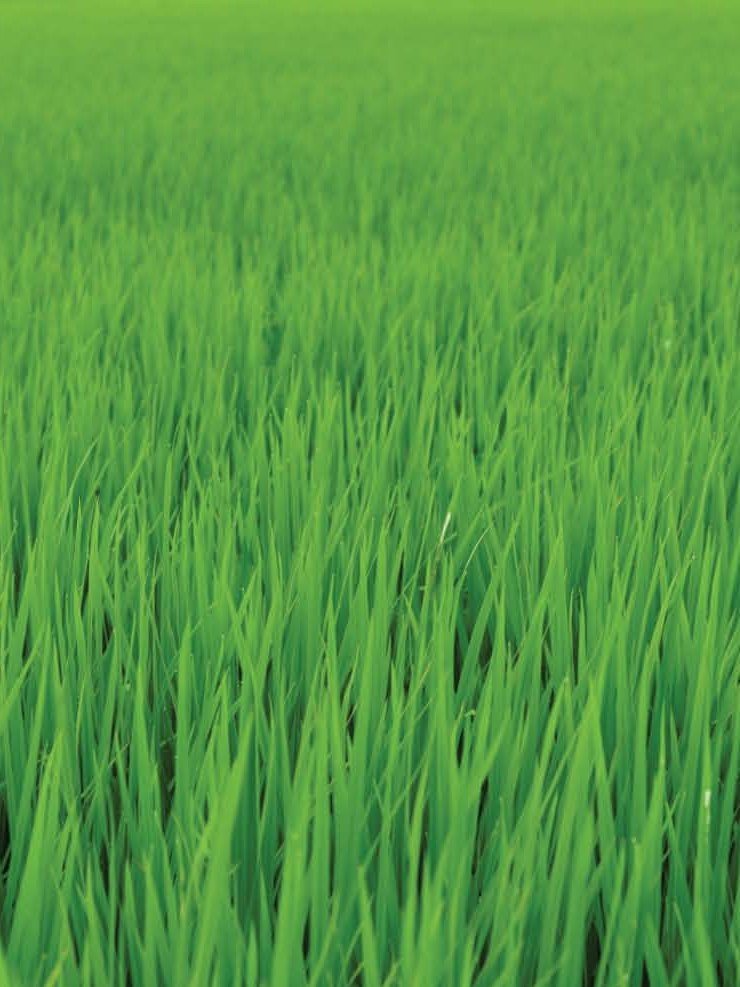
Paddy in the belt our mills sit inside — Haryana, Punjab, Uttarakhand and western Uttar Pradesh.
Three things set true Basmati apart from ordinary long-grain rice: how long it grows, how far it stretches when cooked, and the aroma compound — 2-acetyl-1-pyrroline — that gives it its scent. Ageing paddy for months before milling lets the grain lose surface moisture slowly, which is what allows it to elongate rather than break in the pot.
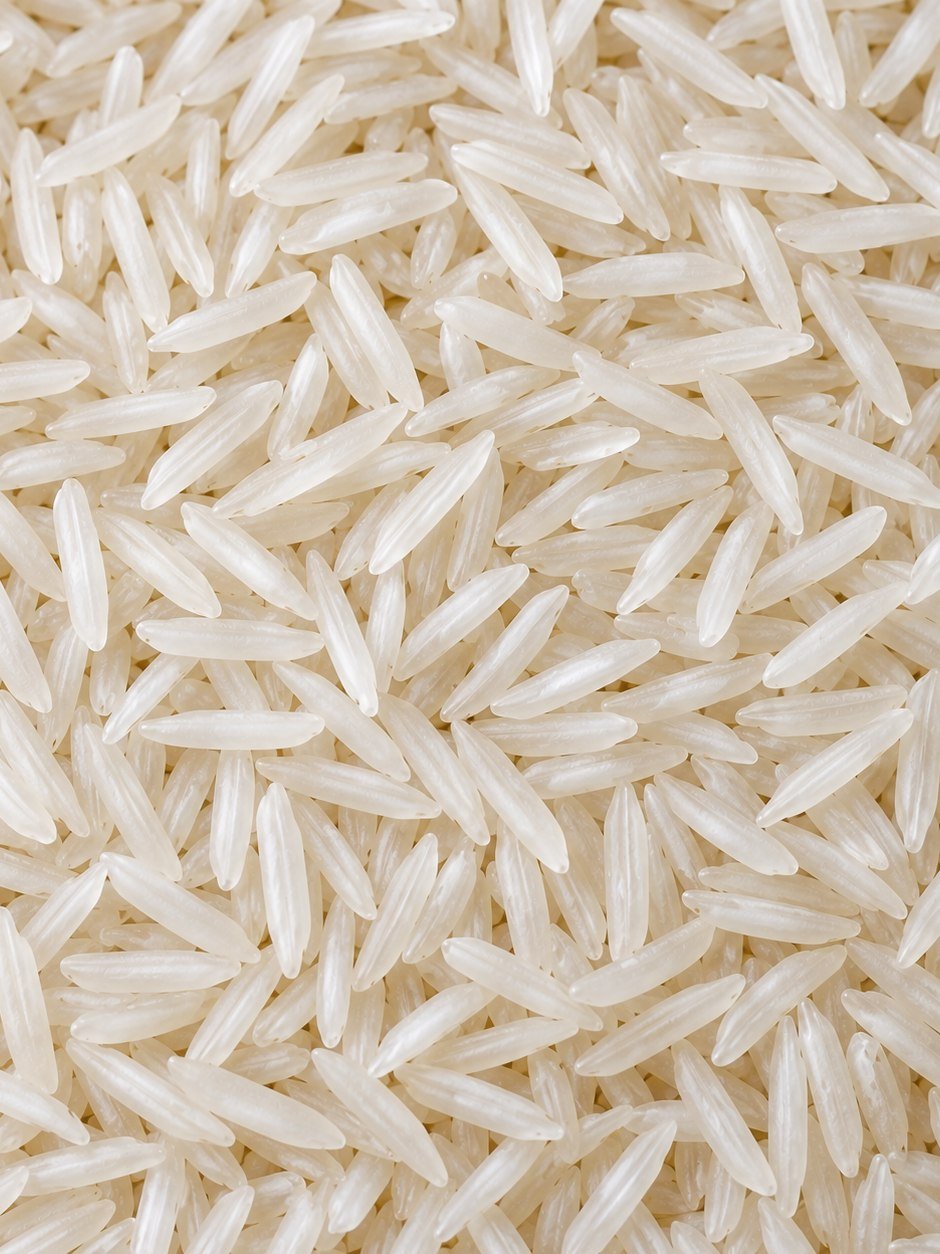
Grain length is measured before cooking and verified on a caliper, lot by lot. Elongation is then confirmed in the pot — a true Basmati stretches well beyond its raw length without breaking, and stays separate rather than clumping.
That combination of length, elongation and aroma is what a buyer is really paying for, and it is what every lot leaving Karnal is checked against.
Our 1121 is an extra-long-grain Basmati — widely regarded as the world's longest commercially traded grain, elongating well beyond its raw length on cooking.
1509 is an early-maturing variety valued specifically for its aroma and consistent cooking behaviour across lots.
Pusa Basmati is noted for elongation and fluffiness on cooking, with a higher fibre content than our other ranges.
Quality is never compromised at any cost. Packing, stuffing and fumigation are all carried out in house before export, and hygiene standards are held from production right through to packaging.

Every lot is examined in our own laboratory for purity, admixture, chalky and damaged grains before it is cleared to run.
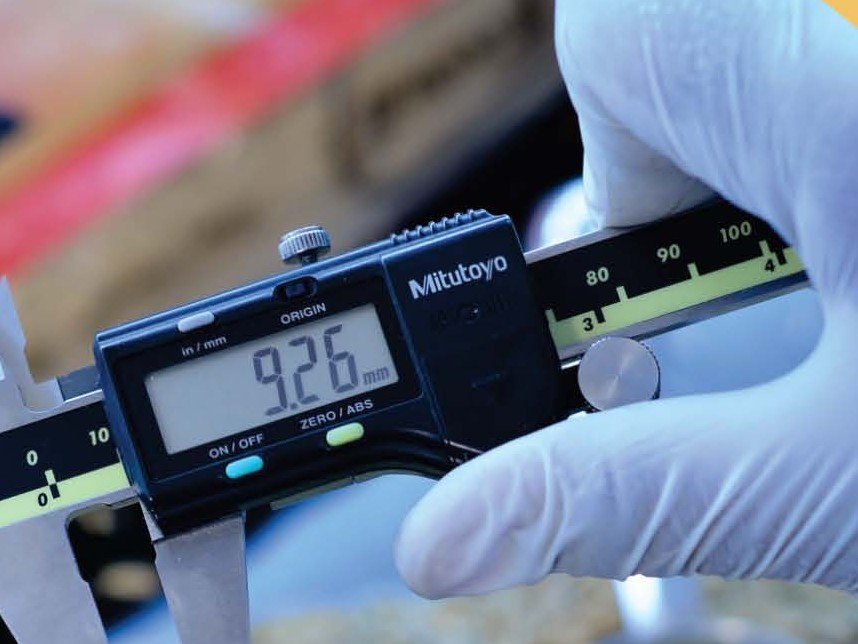
Average grain length is verified on a digital caliper to a hundredth of a millimetre — not estimated by eye, and recorded against the lot.

Buhler Z+3 Sortex and Satake units reject discoloured and defective grains at full running speed, with ejector and defect rates monitored live.
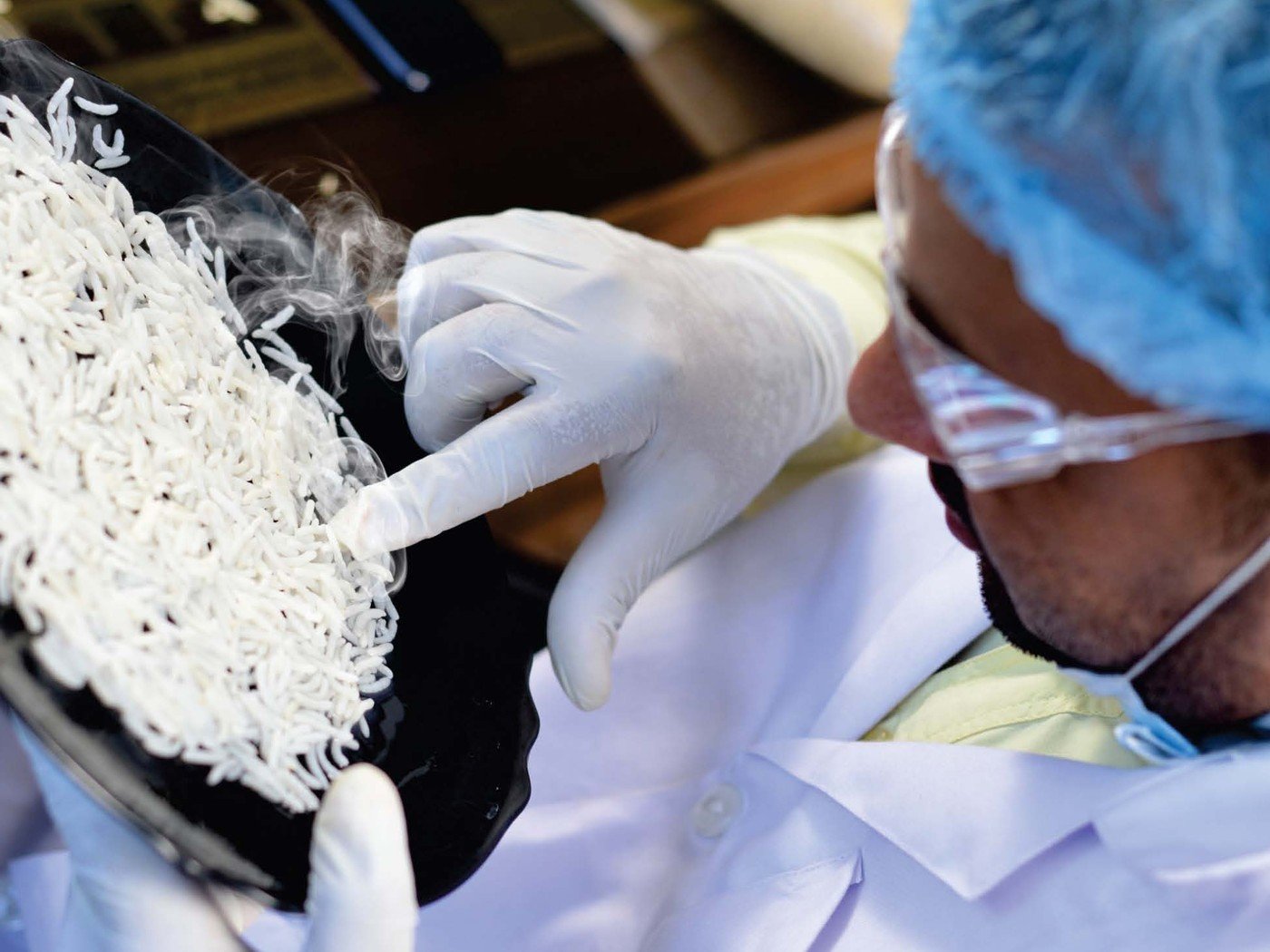
The final check is the one that matters to your customer: a lot is cooked and assessed for elongation, separation and aroma before it is released.
The best paddy is drawn from certified and standardised sources. Selective seed usage, refined seed treatment, nursery sowing and skilled field preparation all sit upstream of the mill — because the grain that arrives at our gate decides the ceiling on everything after it.
See the Full Quality ProcessEvery lot that enters our mills is inspected, cleaned, parboiled or steamed, dried, sorted, tested and packed under one roof — on equipment imported from the UK, Japan and Germany, including Buhler Z+3 Sortex, Buhler polishing and Satake Sortex lines.
Paddy from certified locations across Haryana, Punjab, Uttarakhand and UP is inspected on arrival at the mill gate.
Pre-cleaning removes impurities before parboiling and drying at up to 500 MT a day.
Optical sorting for uniformity, then lab checks on moisture, purity, grading, cooking result, microbiological safety and pesticide residue.
Bulk, GOODWILL retail-ready or private-label packaging, with export documentation coordinated through to the port of loading.
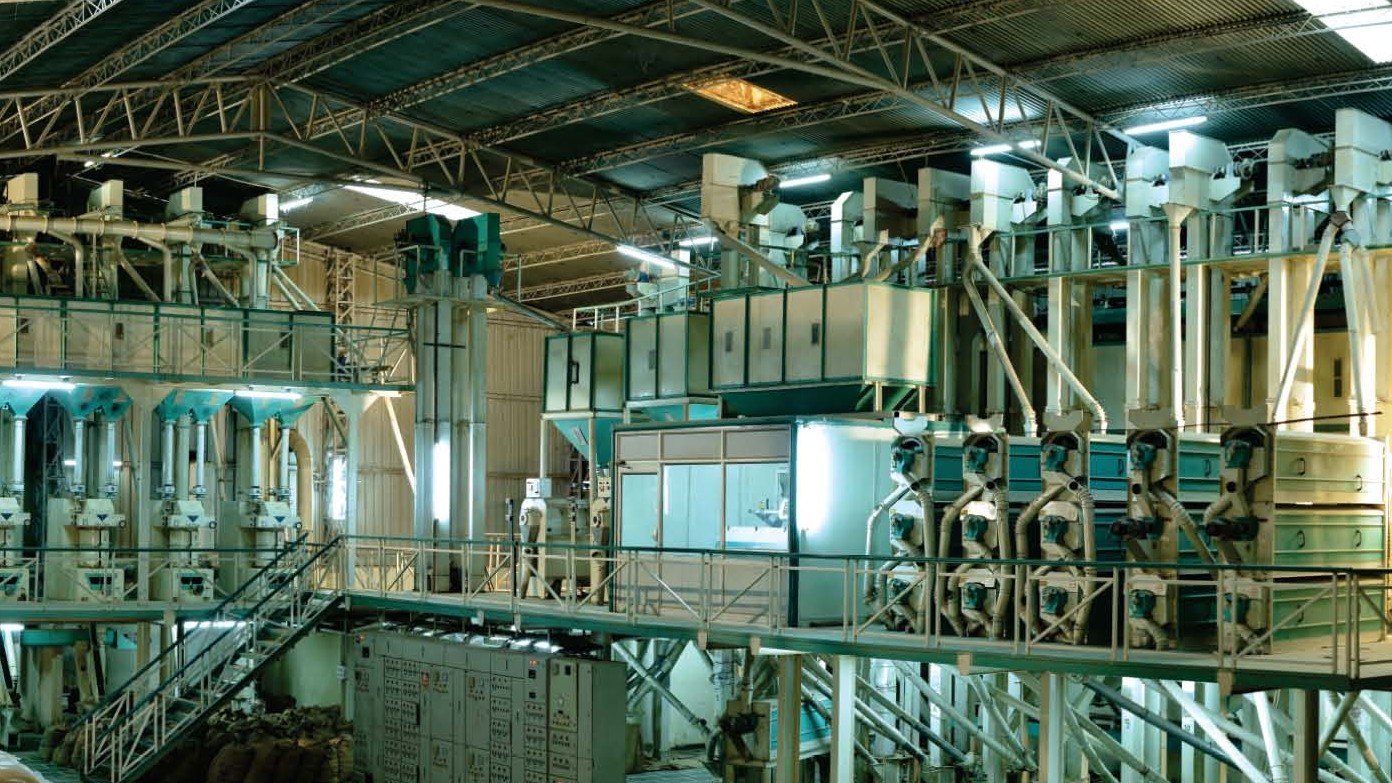

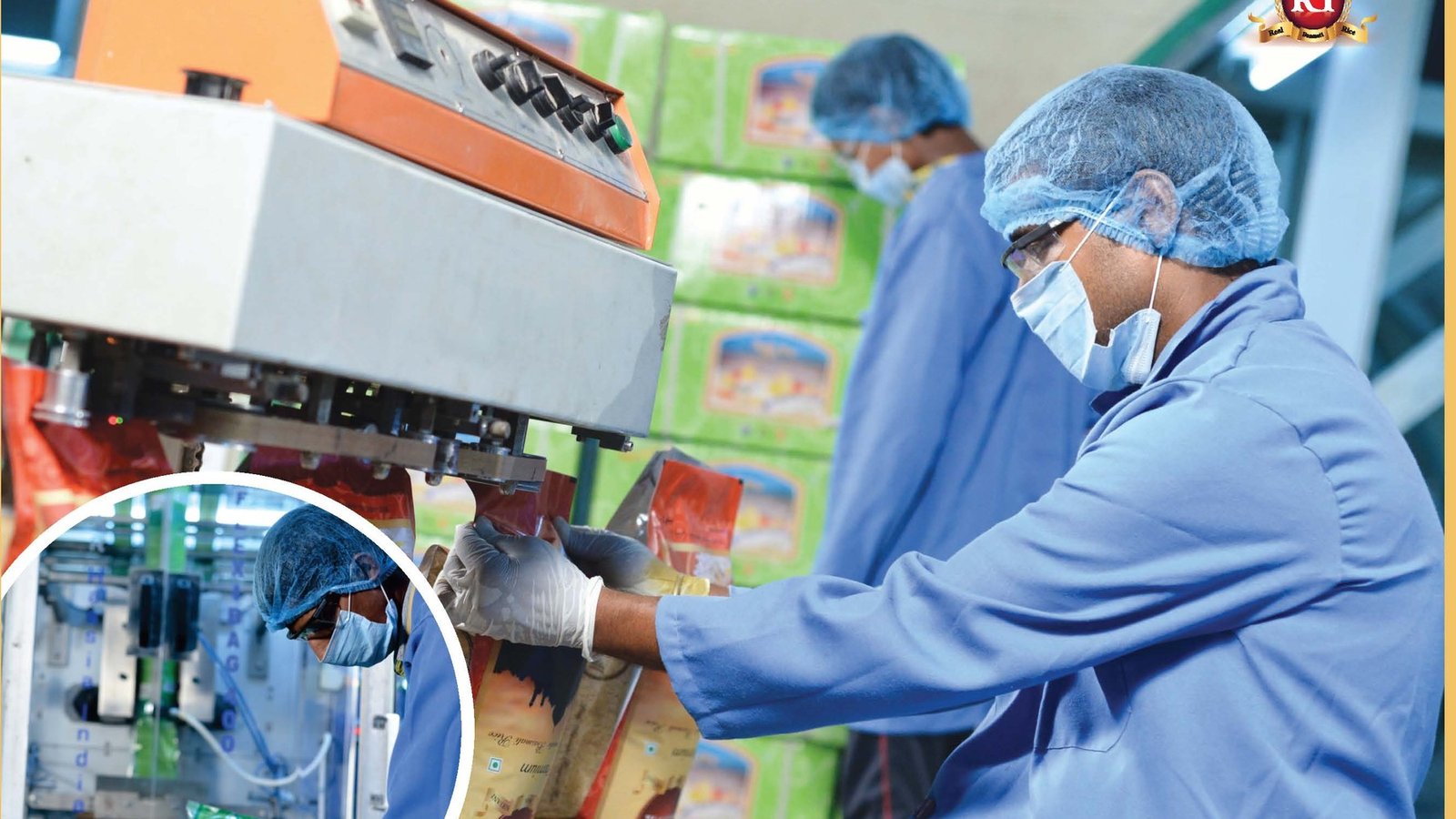
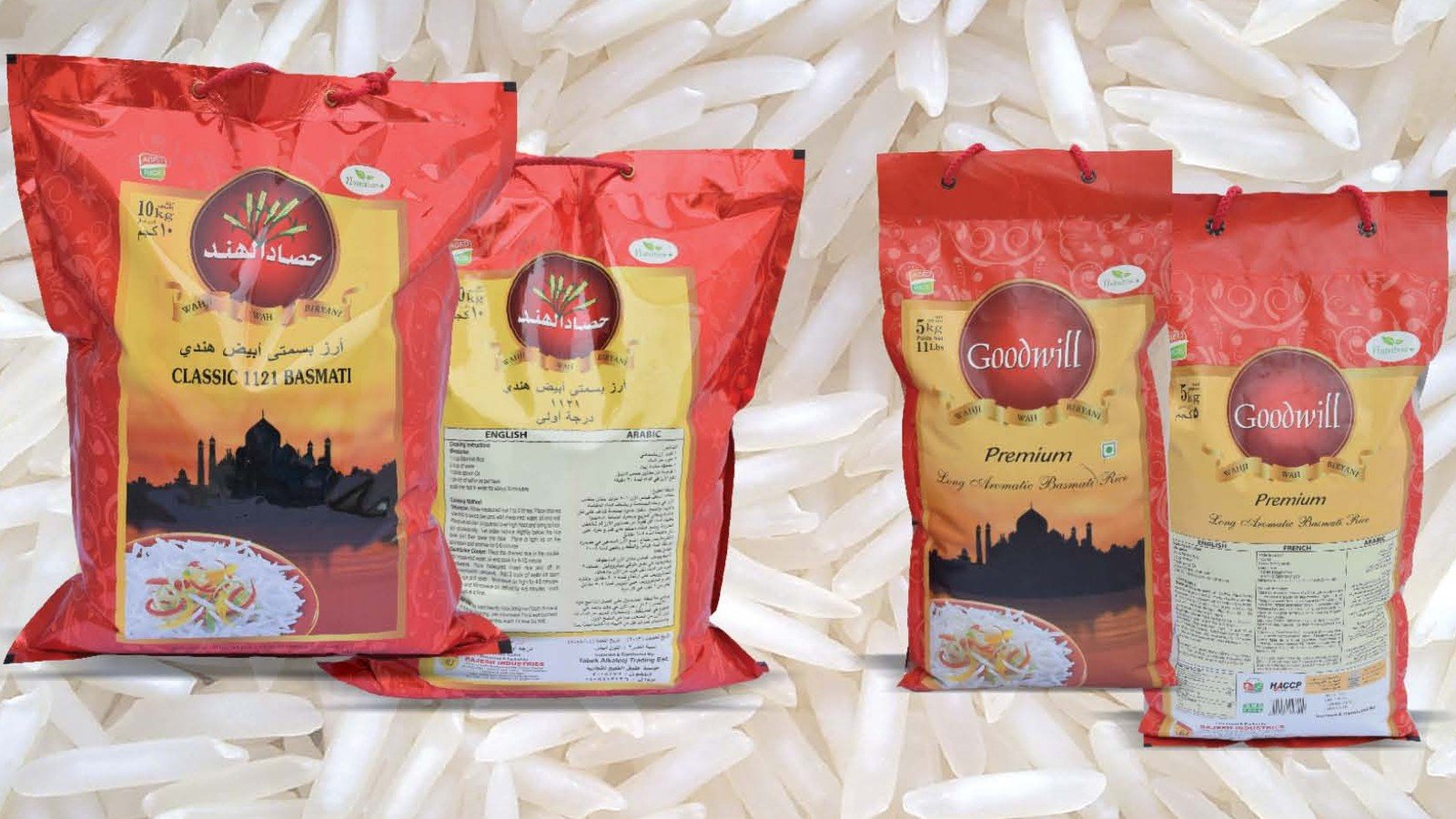
Milling plant, storage silos, packing hall and finished retail packs — all on our own 22 acres.
See the Full Farm-to-Export Journey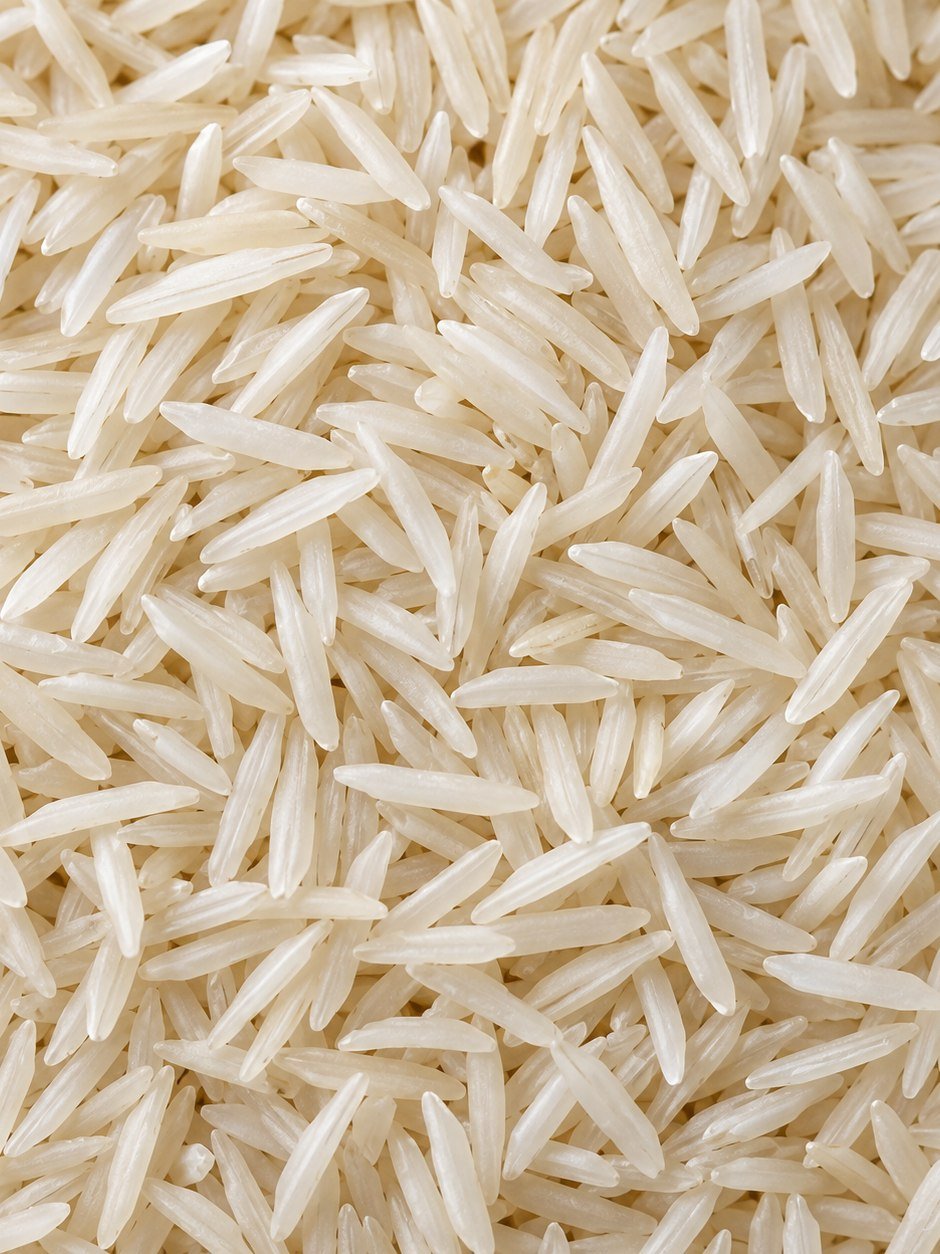
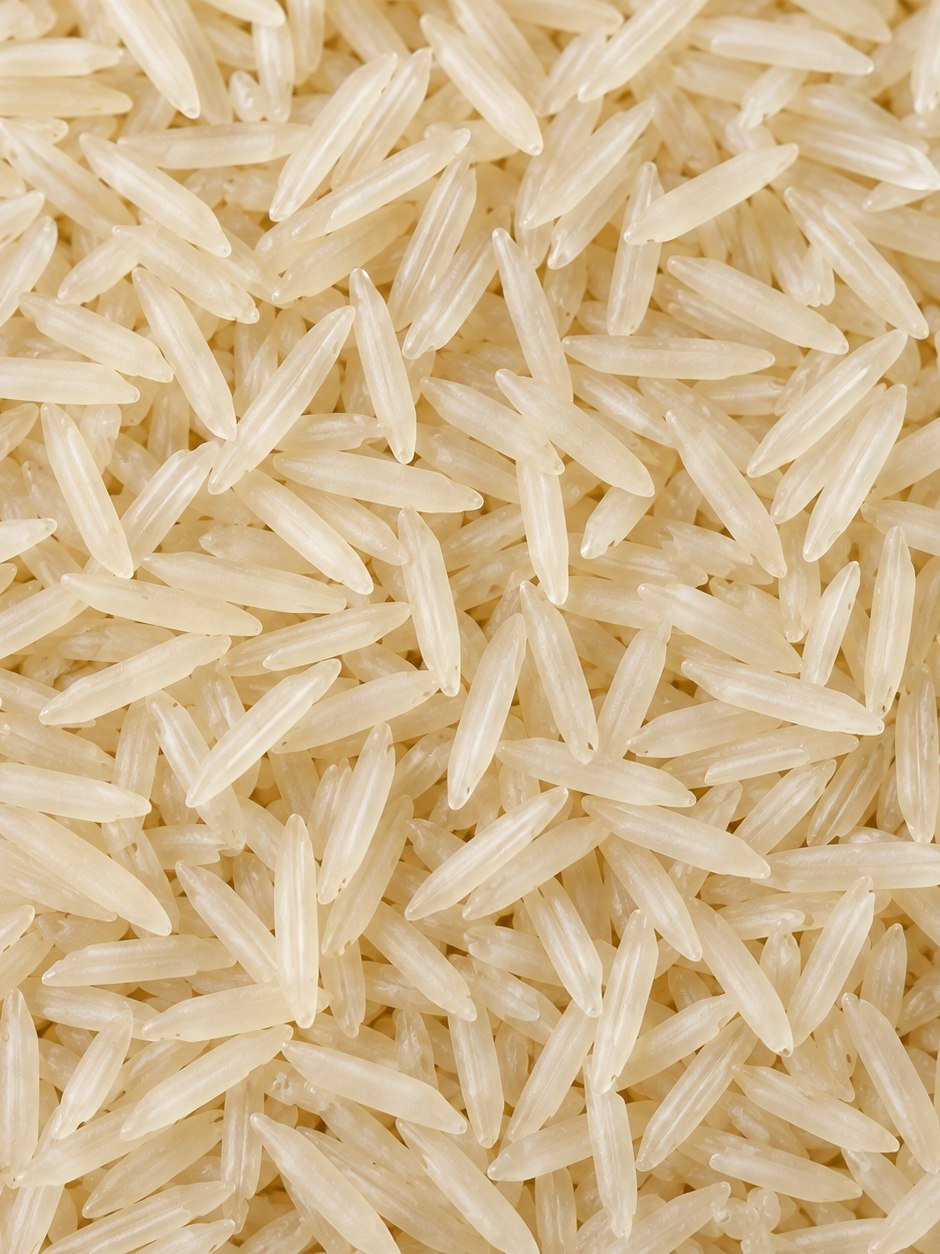
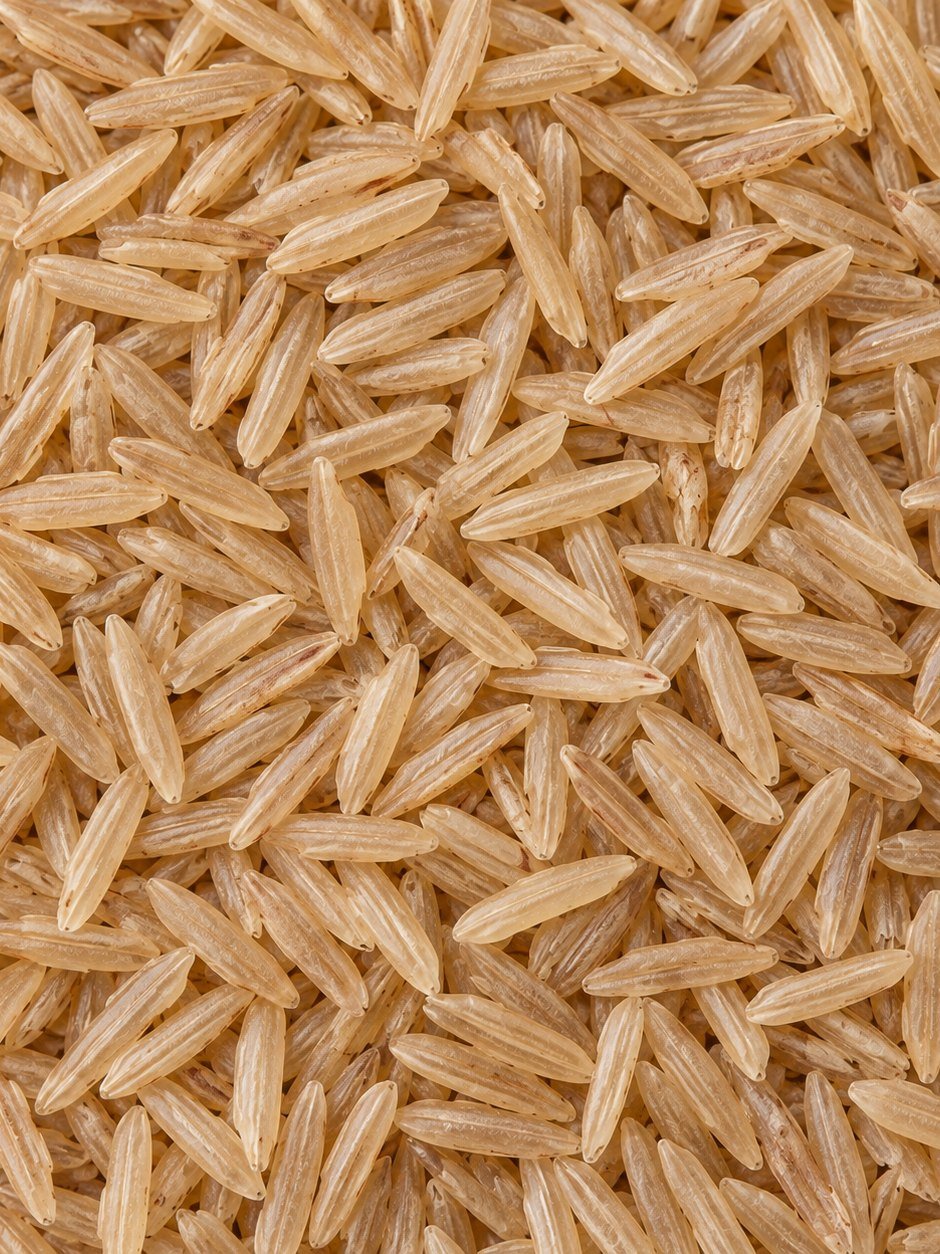
Every variety runs in Steam, Raw, White Sella and Golden Sella.
The longest of all varieties. Strong aroma, very fluffy — the grain premium biryani is built on.
Balanced aroma with improved disease resistance in the field. An everyday and festive grain.
Lighter aroma and cooks in record time — which is why hotels and bulk catering favour it.
Good aroma, early maturing. Suited to traditional rice dishes and pilafs.
Mild aroma at an accessible price — the daily-meal grain, and a substitute for Traditional Basmati.
Sweet taste and natural aroma — the classic profile the others are measured against.
A close substitute for 1121 where price leads the decision.
Good cooking, good taste and aroma. A dependable non-Basmati long grain.
The most common long-grain rice, for volume and price-led programmes.
Economical, with good value across wholesale and non-branded distribution.
Grain lengths are variety characteristics. Purity, moisture and broken-grain figures are lot-dependent and confirmed on the specification sheet issued with your sample.
Long, aged Basmati grains elongate and separate rather than clump — which is why 1121 and 1509 are the varieties of choice behind biryani, pulao and jeera rice across Indian and Middle Eastern kitchens, from home stoves to hotel kitchens ordering by the container.
See Grain Specifications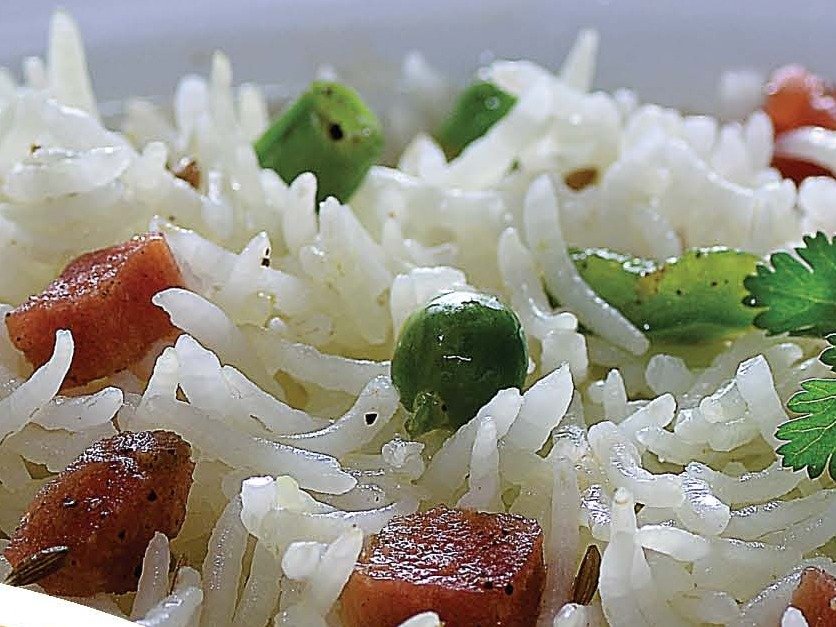
We ship full container loads to importers, distributors, wholesalers, retail chains and food-service buyers across the Middle East, Europe, Africa, North America and Australia — and represent the export desk in person at Anuga, Gulfood, SIAL, the Fancy Food Show and the Saudi Arabia Food Show each year.
Saudi Arabia, Kuwait, Bahrain, Qatar, Yemen, Iran
United Kingdom, Germany, Spain, Netherlands
Nigeria · United States, Mexico
Australia, plus 15+ additional markets on request
Every lot is milled, processed and packed in-house, then tested for moisture, purity, grading, cooking result, microbiological safety and pesticide residue before it's approved for packaging.
Clear, fixed commercial terms agreed before production begins. Get in touch with our sales team and we will set out what works best for you.
Substantial stock on hand — 50,000+ MT of paddy, 25,000 MT of processed rice — means delivery dates you can plan a shelf reset or a season around.
Send us your market and what you need. Samples are couriered before any commercial commitment.